
Makeup is a practice as old as human civilization itself, serving as both a means of enhancing natural features and an expression of creativity. Whether used for daily routines or special occasions, makeup has long held a place of importance in cultures worldwide. From the ancient Egyptians who lined their eyes with kohl to the modern-day beauty industry, makeup has evolved into an art form that transcends time, gender, and geography. Today, it is as much about self-expression and empowerment as it is about aesthetics. This article explores the history of makeup, its cultural significance, the power it has to transform, and its modern role in both beauty and identity.
The Ancient Origins of Makeup
The origins of makeup can be traced back to ancient civilizations, where it was used not only for beautification but also for spiritual or symbolic purposes. One of the earliest known uses of cosmetics comes from Ancient Egypt, where both men and women used makeup to protect themselves from the harsh sun and to adorn themselves in the afterlife. Kohl, a dark powder made from soot or lead sulfide, was used to line the eyes and enhance their appearance. This practice was thought to ward off the “evil eye” and was also a way of showing status, with more elaborate makeup indicating higher social standing.
In addition to Egypt, the ancient Greeks and Romans used makeup in ways that reflected their cultural values. Greek women, for instance, would often apply a light base of white lead to their faces to achieve a pale complexion, which was considered a mark of beauty and aristocracy. Roman women, on the other hand, used rouge to redden their cheeks and lips, as well as powders made from crushed minerals to create a pale look. Makeup during these times was as much about enhancing natural beauty as it was about conveying wealth and social status.
The Middle Ages marked a shift in how makeup was viewed, as European society became increasingly influenced by the church. Pale skin was once again idealized, signifying purity and virtue, and makeup was often discouraged as it was seen as a form of vanity. However, this did not entirely eliminate the use of cosmetics—women still used rouge, and many would apply light powders to achieve a more “divine” appearance. It wasn’t until the Renaissance that makeup began to regain its place in society as a tool of personal expression and refinement.
Makeup as an Art Form: The Renaissance to Modernity
The Renaissance marked a turning point in both art and beauty, with the burgeoning interest in self-expression and the human form. This cultural shift brought with it a resurgence in the use of makeup, albeit with more subtlety. While some women during this period still sought pale skin, others began to experiment with brighter pigments, including blush and eye makeup. The introduction of new ingredients, such as Venetian ceruse (a white lead-based compound), further influenced the cosmetic trends of the era.
Fast-forward to the 18th and 19th centuries, when makeup saw both dramatic transformations and periods of societal pushback. In the 18th century, French women, particularly those in the aristocracy, were known for their extravagant use of makeup. White face powder, bright red lipstick, and elaborate hairstyles were seen as essential components of high-society beauty. However, during the Victorian era, makeup was once again viewed with suspicion, especially in England, where it was associated with promiscuity and low moral character.
The 20th century ushered in an era of innovation and mass production in the cosmetics industry. The first commercially produced lipstick was introduced by Maurice Levy in 1915, and in the years that followed, beauty brands like Estée Lauder, Max Factor, and L’Oréal revolutionized the industry with new products and advertising. The early 1900s also saw the rise of the “flapper” look, characterized by bold makeup, short hairstyles, and a dramatic departure from the more conservative ideals of the previous century. As the world moved into the mid-20th century, Hollywood icons like Marilyn Monroe and Audrey Hepburn became global beauty standards, inspiring women around the world to embrace makeup as a means of transformation.
The Role of Makeup in Self-Expression and Empowerment
In the modern era, makeup has taken on a new and profound role. No longer is it merely a tool for beautification or a symbol of social status; it has become an avenue for self-expression and empowerment. For many, makeup offers an opportunity to reinvent oneself or express an inner persona that may not always be visible to the outside world. The rise of social media and beauty influencers has further cemented makeup’s role as a creative outlet, where individuals can experiment with colors, textures, and techniques to communicate their unique style and identity.
The versatility of makeup also allows for a broad range of self-expression. For some, makeup may serve as a way to accentuate their natural features, enhancing their sense of confidence and self-esteem. For others, it is a form of artistic expression, enabling them to create bold, avant-garde looks that make a statement. The ability to manipulate color, texture, and form provides an opportunity for endless creativity. Whether it’s a subtle, natural look for a casual day or a dramatic, bold makeup for a special occasion, makeup can help individuals convey different aspects of their personality and mood.
Additionally, makeup has become a powerful tool for gender expression. Traditionally, makeup has been seen as a feminine pursuit, but in recent years, many have challenged the notion that cosmetics are exclusively for women. Men and non-binary individuals have increasingly embraced makeup as a way to express themselves, with male beauty influencers like James Charles and Jeffree Star becoming household names. This democratization of makeup allows individuals to redefine beauty standards and challenge societal norms about gender, self-image, and identity.
The Evolution of Makeup Trends: From Glam to Minimalism
The evolution of makeup trends has been heavily influenced by social, political, and cultural changes. In the post-World War II era, Hollywood glam dominated the beauty world, with actresses like Elizabeth Taylor and Grace Kelly epitomizing an ideal of sophistication and elegance. This era was characterized by bold brows, dramatic eyeliner, and vivid red lips. As the decades progressed, makeup trends shifted in response to the changing tides of fashion.
In the 1960s, the rise of the counterculture and the feminist movement influenced a shift toward more natural and minimalist looks. The “no-makeup” makeup trend emerged, emphasizing clean skin, soft lips, and subtle eye makeup. This era saw the beginning of a more inclusive approach to beauty, with a growing recognition that makeup was not about conforming to a single ideal but rather enhancing individuality.
The 1980s brought about a return to boldness, with neon eyeshadows, heavy blush, and dramatic lipstick creating the vibrant, experimental looks that defined the decade. The 1990s saw the rise of grunge makeup, with darker, more neutral tones taking center stage. Fast forward to the 2000s, and makeup trends became heavily influenced by reality TV stars like the Kardashians, whose contouring techniques and signature looks became synonymous with beauty in the digital age.
Today, makeup trends continue to evolve, with an emphasis on both creativity and self-care. While bold looks and artistic expressions remain popular, there has also been a noticeable shift towards skincare-focused beauty. The rise of clean beauty, which focuses on using natural and sustainable ingredients, has become a major movement in the beauty industry. Consumers are increasingly aware of the products they use on their skin and are seeking formulas that are both effective and gentle.
The Future of Makeup: Sustainability and Inclusivity
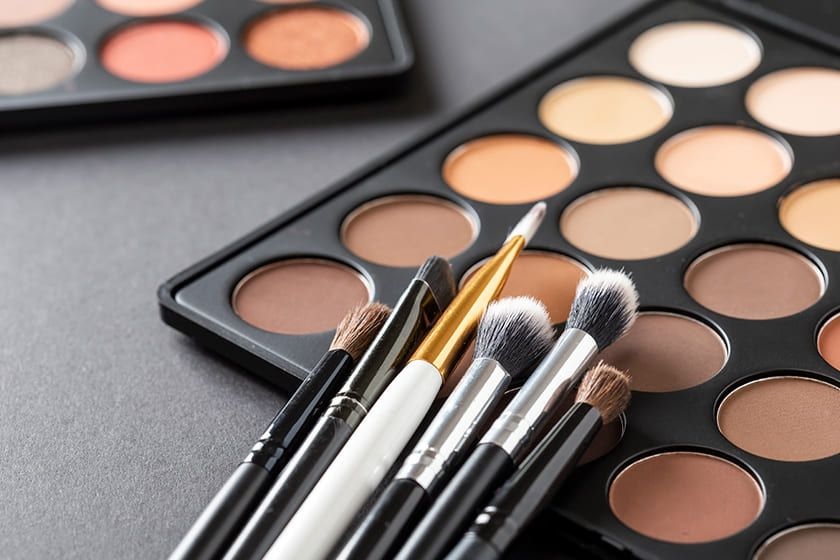
The future of makeup is likely to be shaped by two key themes: sustainability and inclusivity. As consumers become more aware of the environmental impact of beauty products, the demand for sustainable and eco-friendly makeup is on the rise. Brands are exploring biodegradable packaging, cruelty-free formulas, and products made from ethically sourced ingredients. Moreover, as the beauty industry continues to evolve, the focus on inclusivity is expanding. More brands are offering diverse shade ranges to accommodate a wider spectrum of skin tones, and there is an increasing push for makeup to be accessible to everyone, regardless of gender, age, or background.
Conclusion: A Canvas for Creativity and Identity
Makeup is no longer just about concealing imperfections or adhering to societal beauty standards; it has become a multifaceted art form and a powerful tool for self-expression. It offers the freedom to experiment, transform, and communicate one’s identity in a way that is uniquely personal. Whether used to enhance natural beauty, make a bold statement, or simply have fun, makeup is a creative practice that has evolved alongside cultural shifts, embodying both the power of transformation and the celebration of individuality. In the ever-changing world of beauty, makeup will continue to be a canvas for personal expression, empowerment, and creativity.