
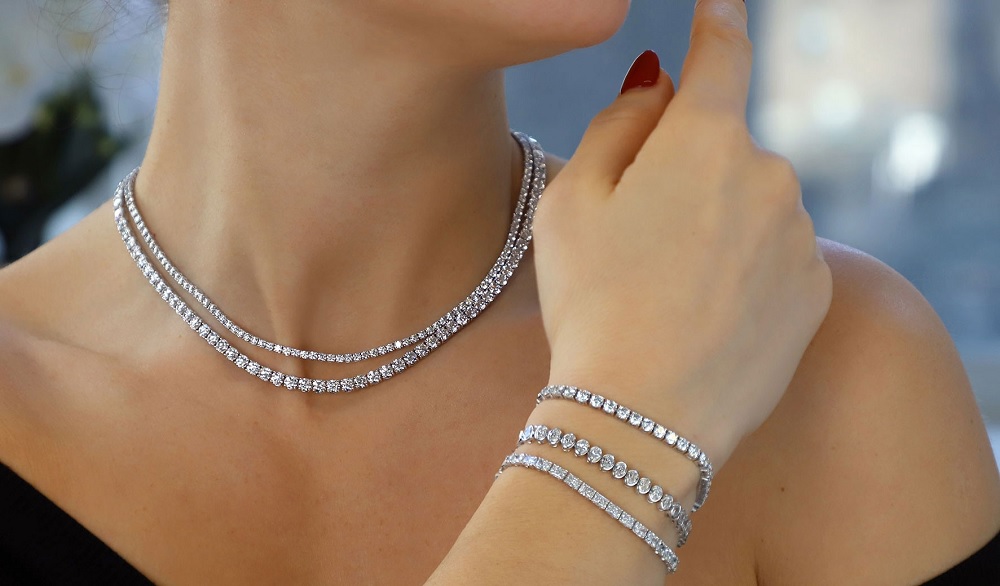

Jewelry has been a symbol of beauty, wealth, and status for millennia. It serves not only as a decorative accessory but also as a reflection of personal identity, cultural heritage, and even spiritual beliefs. From the ancient civilizations of Mesopotamia and Egypt to the glitzy red carpets of Hollywood, the evolution of jewelry has paralleled the complexities of human history and societal development. What began as simple adornments to enhance one’s appearance has grown into an intricate world of design, symbolism, and craftsmanship. In this article, we delve into the rich history, cultural significance, and modern-day evolution of jewelry, exploring why it continues to captivate and inspire people around the globe.
A History Woven in Precious Metals and Stones
The history of jewelry dates back to the earliest human civilizations. Archeological discoveries suggest that the first forms of jewelry were made from natural materials such as bones, shells, and stones. These rudimentary adornments, often worn by early humans as a sign of tribal identity, had a functional purpose—protection, charm, or even as a symbol of social standing. Over time, as societies became more sophisticated, so too did their jewelry. The ancient Egyptians, for example, were pioneers in the art of jewelry-making. They introduced goldsmithing techniques and used precious stones such as turquoise, lapis lazuli, and carnelian to create intricate pieces that were often imbued with religious or spiritual significance. Jewelry, in this context, was seen as a conduit to the divine, worn by both the living and the dead to ensure protection in the afterlife.
The ancient Greeks and Romans also made significant contributions to the development of jewelry. The Greeks, known for their emphasis on beauty and proportion, crafted pieces that were not only aesthetically pleasing but also aligned with the ideals of symmetry and harmony. Greek jewelry often featured motifs from nature, mythology, and the gods, representing themes such as love, power, and wisdom. Roman jewelry, on the other hand, was more extravagant, with a penchant for displaying wealth and status. Roman rings, often used as seals, were signs of authority and were frequently adorned with engraved portraits of emperors or deities.
In the Middle Ages, the use of jewelry became deeply intertwined with the Christian religion. Religious symbols such as crosses, rings, and brooches were worn by both clergy and laypeople as signs of devotion. The Renaissance period, a time of great cultural and artistic flourishing, saw a resurgence in the use of gemstones and enamelwork, and jewelry became an expression of both personal and artistic achievement. By the 18th and 19th centuries, with the rise of the European aristocracy and the industrial revolution, jewelry became an integral part of the fashion industry, signifying both opulence and refinement.
Cultural Significance: Jewelry as Identity and Status
Jewelry has long been more than just a means of ornamentation; it is a powerful symbol of identity, culture, and social status. Across the world, jewelry has been used to mark significant life events, from births to marriages to deaths, each piece carrying its own unique meaning. For instance, engagement rings, perhaps the most universally recognized form of jewelry, represent commitment and love. Their diamond stones are often seen as symbols of eternity, with the circular shape of the ring itself signifying an unbreakable bond. In some cultures, wedding jewelry can also signify the merging of families and the creation of a new social unit.
In many societies, jewelry also serves as an indicator of wealth and social standing. The more extravagant the jewelry, the higher the social rank it often represented. The elaborate crowns and tiaras worn by royalty, the heavy gold chains and rings worn by the wealthy in ancient Rome, and the intricate bejeweled pieces worn by the elite in the Renaissance all symbolize this connection between jewelry and status. Even today, high-end jewelry houses such as Cartier, Tiffany & Co., and Bulgari are associated with luxury and exclusivity. Wearing pieces from these brands is often seen as a mark of affluence and taste.
However, jewelry’s symbolic importance is not always tied to wealth. In many indigenous cultures, jewelry is used to signify cultural heritage, spiritual beliefs, and rites of passage. For example, Native American tribes such as the Navajo and Hopi are renowned for their intricate silverwork and use of turquoise, which holds spiritual significance. In India, traditional jewelry such as nose rings, bangles, and anklets are worn as expressions of femininity, cultural identity, and social norms. These pieces often carry deep meanings that go beyond mere aesthetics—they are markers of tradition, ancestry, and belonging.
Modern Jewelry: Design, Innovation, and Sustainability
In the modern world, jewelry has evolved into a dynamic and diverse field, encompassing everything from minimalist designs to avant-garde, conceptual pieces. With the rise of fashion-forward designers and independent artisans, jewelry has become more accessible and varied in terms of style and price. While traditional metals like gold, silver, and platinum continue to be favored, there is also a growing interest in alternative materials, such as titanium, carbon fiber, and even recycled plastics, as designers seek to blend craftsmanship with innovation.
One of the most significant trends in contemporary jewelry design is the emphasis on personal expression. Custom-designed pieces, whether in the form of engraved pendants or bespoke engagement rings, allow individuals to wear jewelry that reflects their unique personalities, relationships, and life experiences. The concept of personalization has gained tremendous popularity, with consumers increasingly seeking one-of-a-kind pieces that resonate with their personal story or aesthetic preferences.
Another defining characteristic of modern jewelry is its focus on sustainability. As awareness of the environmental impact of mining and gemstone extraction grows, many consumers are turning to ethical and sustainable jewelry brands. These brands often source materials responsibly, using recycled metals, lab-grown diamonds, and conflict-free gemstones. The slow fashion movement, which advocates for mindful consumption and the reduction of waste, has also gained traction in the jewelry industry, with designers focusing on creating timeless pieces that are made to last rather than follow fleeting trends. The growing emphasis on sustainability reflects a broader cultural shift towards conscious consumerism and ethical production practices.
Moreover, technological advancements have made a lasting impact on jewelry design. The rise of 3D printing, for instance, has allowed for more intricate, customized designs that were previously difficult or impossible to achieve through traditional techniques. This innovative approach has opened up new possibilities for designers and consumers alike, making it easier to create and acquire personalized pieces with a level of precision and creativity that was once out of reach.
Jewelry as an Emotional Connection
Perhaps one of the most enduring aspects of jewelry is its emotional significance. Jewelry is often passed down through generations, carrying with it the stories, memories, and legacies of those who came before. Heirloom pieces, such as a grandmother’s ring or a mother’s bracelet, are imbued with sentimental value far beyond their material worth. These pieces serve as tangible connections to the past, reminding wearers of family history, love, and loss.
Even in contemporary society, jewelry continues to be used as a symbol of emotional bonds. Whether it is a gift to mark a significant occasion or a token of affection between loved ones, jewelry holds the power to convey emotions that words often cannot express. A piece of jewelry can become a cherished memento, carrying the weight of a lifetime of memories, milestones, and emotions.
Conclusion: The Everlasting Appeal of Jewelry
Jewelry, in its many forms, continues to captivate and inspire people across the world. It is a symbol of beauty, status, identity, and emotion—an art form that transcends time and culture. From its ancient origins to its modern iterations, jewelry has proven to be a timeless form of self-expression, as relevant today as it was thousands of years ago. Whether passed down as an heirloom, worn as a fashion statement, or crafted as a personal expression of style, jewelry holds a special place in human history. It is, and always will be, a testament to our collective creativity, cultural heritage, and enduring love for adornment.