
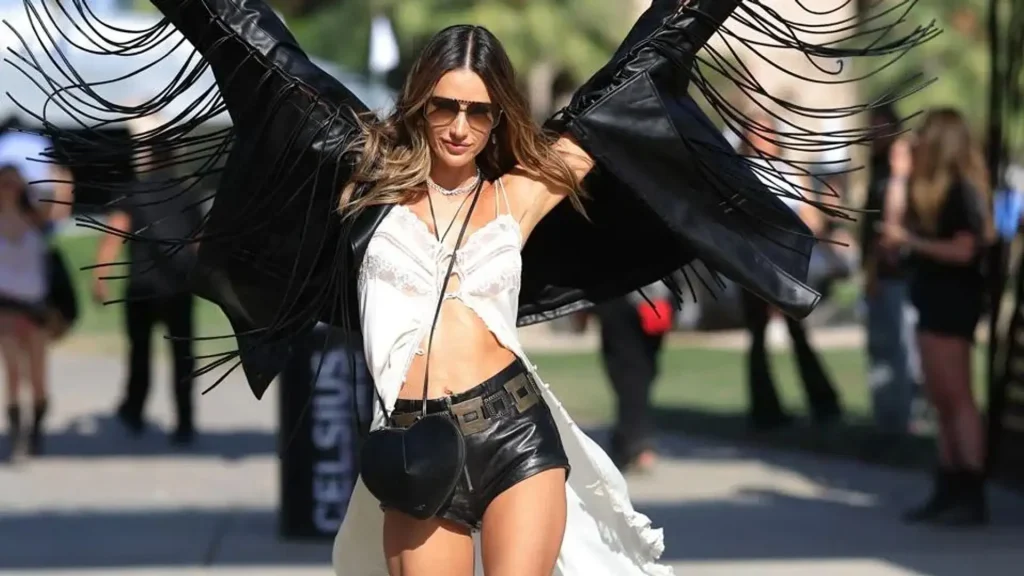

Music festivals are unique environments where music, art, and community intersect under the open sky. For many attendees, these events offer a rare opportunity to step outside the constraints of everyday fashion and experiment with bold, expressive, and unconventional looks. However, the excitement of planning a festival wardrobe is often tempered by the reality of the environment. Festivals frequently involve long hours of standing, unpredictable weather, dust, mud, and vast crowds. Mastering festival fashion requires a delicate balance between high-concept aesthetics and extreme practicality. The goal is to look iconic without compromising your ability to enjoy the music.
The Foundation of Festival Readiness
Before selecting sequins, fringe, or vintage finds, you must prioritize the basics of survival. A festival outfit that looks spectacular but leaves you blistered, dehydrated, or shivering is a failed experiment. Your planning should begin with the climate and the specific logistics of the venue.
-
Footwear is non-negotiable: Choose shoes that are broken in. Whether it is combat boots, reliable sneakers, or sturdy leather sandals, ensure they provide adequate arch support and protection for your feet. Avoid brand-new footwear at all costs.
-
Layering for temperature shifts: Outdoor festivals often involve extreme temperature swings. You might be sweating in direct sun at midday and freezing once the sun goes down. A lightweight, packable jacket or a versatile kimono is essential.
-
The utility of storage: Festivals rarely have lockers for everyone. A small, secure crossbody bag, a high-quality fanny pack, or a stylish hydration pack is necessary to keep your phone, wallet, and essentials safe from pickpockets and accidental loss.
Curating Your Aesthetic
Once you have established your functional requirements, you can build your aesthetic. The best festival outfits are those that feel like a costume but maintain a sense of personal style. Many attendees lean into specific themes, such as bohemian chic, futuristic cyberpunk, or retro-nineties revival.
Bohemian aesthetics remain a perennial favorite. This look focuses on natural fabrics like cotton and linen, often layered with crochet details, fringe, and floral prints. A flowy maxi dress paired with boots is a classic combination that allows for movement and airflow while looking effortless. To modernize this look, incorporate metallic jewelry or a structured belt to define your waist and give the outfit a more contemporary edge.
For those who prefer a high-energy, futuristic vibe, consider holographic fabrics, reflective materials, and neon accents. These outfits pop under stage lights and are perfect for electronic music events. Use accessories like tinted sunglasses, hair glitter, or light-up jewelry to amplify the theme. The key here is to keep the silhouettes relatively simple, such as bike shorts or crop tops, to balance the intensity of the materials.
The Power of Accessories
In festival fashion, accessories do not merely complete the look; they are often the focal point. Because festival clothing is often minimal due to heat, your accessories have the freedom to be oversized and dramatic.
Headwear serves a dual purpose. A wide-brimmed hat or a stylish bucket hat provides critical protection from the sun, but it also elevates your look instantly. Bandanas and scarves are similarly versatile, serving as dust masks when the crowd kicks up dirt or as a headband to manage your hair during intense dancing.
Jewelry can be a challenge. Avoid expensive or sentimental pieces that could be easily lost in a crowd. Instead, opt for chunky costume jewelry, stacked bangles, or layered necklaces that can withstand a bit of movement. Body chains and harness pieces have also become popular because they add structural interest to a simple tank top or swimsuit, acting almost like an architectural layer to the outfit.
Practicality Meets Style
One of the biggest mistakes festival-goers make is prioritizing form over function to the point of discomfort. You will be walking miles, standing in lines, and potentially sitting on the grass. Your clothing should accommodate these realities.
Avoid fabrics that do not breathe. Synthetic materials like polyester can feel suffocating in the sun, leading to discomfort and skin irritation. Look for moisture-wicking fabrics or light, airy natural fibers. If you want to wear a more complex outfit, try to keep the base layer simple. For example, a high-quality swimsuit serves as an excellent base for a festival outfit; it is comfortable, stays in place, and can be easily layered under sheer skirts, mesh tops, or oversized denim shirts.
Denim is another reliable choice, but opt for denim that has a bit of stretch to ensure you can move comfortably. A classic denim jacket is perhaps the most versatile item you can pack; it provides pockets, warmth, and a layer of protection against the elements, and it pairs perfectly with almost any aesthetic.
Transitioning from Day to Night
Festival days are long, and your outfit should be able to transition with the changing light. A common strategy is to start with a versatile daytime base and add layers as the day progresses.
During the day, focus on sun protection and staying cool. A pair of high-waisted shorts and a comfortable crop top or bodysuit is a standard, foolproof foundation. As the evening approaches and the temperature drops, you can pull on a pair of sheer tights or bike shorts under your outfit, slip on a light jacket, or add a warm scarf. This transition ensures that you are never caught unprepared, allowing you to stay for the final act without feeling miserable or cold.
Embracing Sustainability in Festival Fashion
Festival fashion is often associated with disposable, one-time-use items purchased specifically for a single weekend. This contributes to massive waste. As you curate your outfits, try to think about longevity. Can this piece be worn again in your day-to-day life? Can you source your outfit from thrift stores or borrow items from friends?
Investing in pieces that you truly love and plan to re-wear is a more sustainable approach. A pair of well-made boots, a sturdy denim vest, or a high-quality pair of sunglasses can become staples of your festival wardrobe for years. This not only saves money in the long run but also helps you build a unique, authentic style that feels like a genuine extension of your personality rather than a temporary trend.
The Art of Being Yourself
The most successful festival outfits are those that make you feel empowered. If you feel confident, you will enjoy the experience significantly more. Do not feel pressured to follow every trend you see on social media. If you feel best in a simple oversized t-shirt and jeans, elevate that look with unique accessories rather than forcing yourself into a complex outfit that makes you feel self-conscious.
Remember that festivals are environments of radical self-expression. There is no right or wrong way to dress. The best look is one that reflects your energy and allows you to be fully present in the moment. When your clothing is both functional and expressive, it stops being a distraction and starts being a tool that enhances your ability to connect with the music and the people around you.
FAQ
How do I protect my belongings in large festival crowds?
Invest in a bag with hidden or internal zippers. A fanny pack worn across the chest is widely considered the safest option because it is always in your field of vision and difficult for others to reach.
Is it okay to wear white clothing to a music festival?
White looks great under the sun and can be very chic, but be aware that it will likely get dirty due to dust, mud, or grass. If you choose white, ensure the fabric is easily washable or be prepared for the piece to show signs of the festival experience.
What is the best way to keep my hair manageable during a multi-day festival?
Braids are the ultimate festival hairstyle because they are low maintenance and hold up well over several days. Dry shampoo is also an essential item to pack to refresh your hair and add volume between washes.
Should I bring a poncho for rain?
Absolutely. Many festivals have poor drainage, and even a light drizzle can lead to muddy conditions. A compact, reusable poncho is far more effective and environmentally friendly than wearing multiple layers of clothing that will become heavy and uncomfortable when wet.
Are there any fabrics I should avoid wearing in the heat?
Avoid heavy, non-breathable fabrics like velvet, thick polyester, or heavy leather for your base layers. These trap heat and sweat against your skin, which can lead to chafing and dehydration. Save these materials for evening layers or accessories.
How do I handle footwear for mud?
If there is a high chance of rain or if the festival grounds are known to be muddy, bring a pair of wellies or durable waterproof boots. Ensure they are comfortable for long-distance walking, as heavy, unsupportive rubber boots can cause significant pain over several hours.
What should I do if I get a wardrobe malfunction during the festival?
Pack a small, portable sewing kit or a roll of safety pins and double-sided fashion tape. These tiny, lightweight items can save an outfit from a broken strap or a hem coming undone, allowing you to continue enjoying the festivities without interruption.