
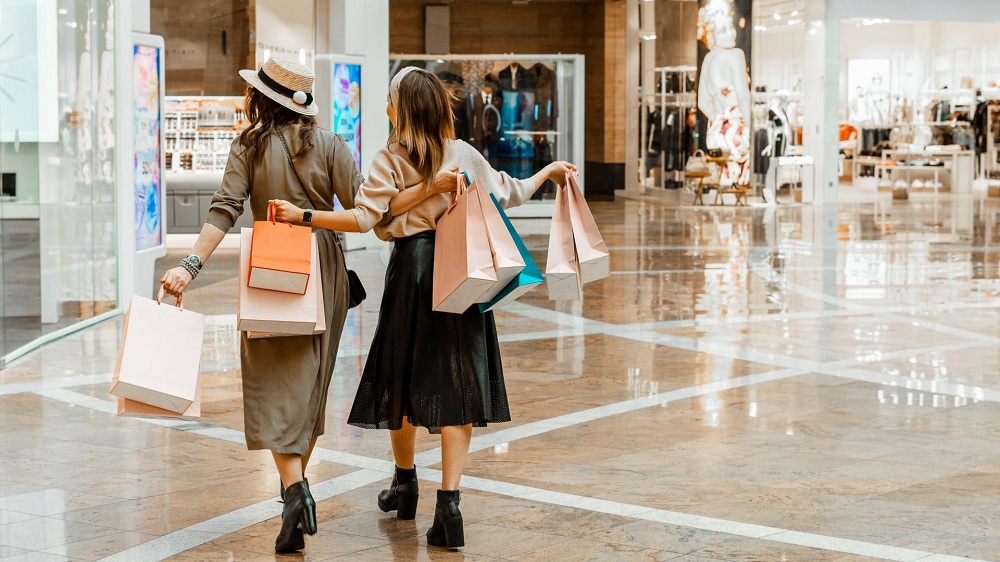

In an era marked by convenience and excess, shopping has evolved from a simple transaction to an intricate, often emotional experience. It is no longer merely about acquiring goods, but rather about the journey of discovery, the rush of indulgence, and the opportunity for self-expression. Whether it’s strolling through a local boutique, exploring vast department stores, or scrolling through online marketplaces, shopping taps into our instincts as consumers, our desires for self-improvement, and our need to connect with culture and community. But what makes shopping such a universal and profound activity? In this article, we explore the psychology behind shopping, its cultural significance, and how it has adapted to the changing tides of technology and consumerism.
The Evolution of Shopping: From Barter to E-Commerce
The concept of shopping is far older than the modern retail environment that we know today. Historically, shopping emerged as a necessity rather than a pastime. In ancient civilizations, trade was the primary method of acquiring goods, where goods were exchanged directly through barter systems. The first markets were open-air spaces where merchants sold their wares—basic foodstuffs, clothing, or tools—relying on face-to-face transactions. Over time, as societies grew more complex, the idea of organized marketplaces and retail spaces took shape, with the development of specialized markets, such as those for spices, textiles, or luxury goods.
By the 18th and 19th centuries, shopping began to take on a more structured form, particularly in Europe and North America. Department stores, like Harrods in London and Macy’s in New York, revolutionized shopping by offering a wide variety of goods under one roof. These grand stores were designed to be a destination—luxurious and aspirational spaces where customers could immerse themselves in an experience rather than simply make a purchase. At the same time, the advent of shopping malls in the mid-20th century took retail to another level, creating vast indoor spaces that blended shopping with entertainment, food, and leisure. The mall became a cultural hub, a symbol of consumerist society where shopping was no longer just about necessity but also about pleasure, convenience, and social interaction.
As the internet grew in prominence in the late 20th century, shopping underwent its most radical transformation. E-commerce emerged as a powerful force, allowing consumers to shop from the comfort of their homes, bypassing traditional brick-and-mortar stores entirely. Companies like Amazon and eBay transformed the way people shopped, offering a level of convenience, variety, and speed that was previously unimaginable. Today, online shopping is not only ubiquitous but also increasingly mobile, with people using apps and websites to browse, compare, and purchase goods with just a few taps.
The Psychology Behind Shopping: Why We Shop
At its core, shopping is driven by both rational and emotional forces. While it can be viewed as a functional activity—buying necessities like food, clothing, and household goods—it is also deeply tied to psychological and emotional needs. One of the primary reasons people shop is to fulfill a desire for self-expression. Clothing, accessories, and home decor are not just products; they are vehicles through which individuals can communicate their identity, values, and personality to the world. A person’s wardrobe, for instance, can convey everything from their professional role to their sense of style or political beliefs.
Moreover, shopping is often an act of indulgence or escapism. The experience of browsing through a store or website can provide an immediate sense of pleasure, a break from the routine, and an opportunity to experience novelty. The satisfaction derived from acquiring something new—whether it’s a luxury handbag, the latest tech gadget, or a rare vintage item—can trigger feelings of happiness or even euphoria, thanks to the release of dopamine, the brain’s “feel-good” chemical. For some, the act of shopping provides a temporary sense of control or power in an otherwise uncertain world. Choosing products, curating personal collections, or making decisions about aesthetics can be empowering.
However, the psychology of shopping is not entirely positive. There are also instances where shopping becomes an addictive or compulsive behavior. For some individuals, shopping provides a temporary emotional lift, but this can quickly spiral into a pattern of overconsumption. Retail therapy, as it is often called, can lead to financial strain or feelings of regret if purchases are driven by emotional rather than rational impulses. The rise of fast fashion and the constant bombardment of advertisements only exacerbates this cycle, encouraging people to continually seek out the next “fix” in the form of a new purchase.
Shopping as a Cultural Phenomenon: Trends and Social Influences
Shopping is not only a personal experience; it is also deeply embedded in the cultural fabric of society. Fashion, for example, is a major cultural force, shaping how people perceive themselves and others. The trends and styles that dominate each era often have significant social and political undertones. In the 1960s, the mod look and the rise of youth culture changed the fashion landscape, while in the 1980s, power dressing became synonymous with female empowerment in the workplace. Shopping was not merely about acquiring clothes; it was about participating in a larger cultural movement.
The rise of social media and influencer culture has taken this cultural influence to new heights. Platforms like Instagram and TikTok have turned shopping into a social activity, with influencers and celebrities showcasing their favorite products, fashion looks, and beauty routines to millions of followers. For many, the act of shopping is now inextricably linked to the social validation that comes from “liking” and “sharing” products, or participating in viral trends. The power of influencers to sway consumer behavior is a testament to how shopping has become as much about belonging to a community as it is about individual satisfaction.
This connection between shopping and social status is particularly evident in the luxury goods market. High-end fashion houses like Gucci, Chanel, and Louis Vuitton have long been symbols of wealth and exclusivity. Purchasing a designer item is often seen as a statement of sophistication, success, and taste. However, luxury shopping is no longer confined to the elite few. The rise of “affordable luxury” brands has made high-end fashion more accessible to the mass market, democratizing the concept of luxury and making it a more widely sought-after aspiration.
The Digital Age of Shopping: E-Commerce and Personalization
As we enter the digital age, shopping has become more customized, fast, and efficient. E-commerce platforms are leveraging artificial intelligence, machine learning, and big data to provide a more personalized shopping experience. Websites and apps track consumer behavior, preferences, and past purchases to offer tailored recommendations, creating an experience that feels uniquely suited to each individual. Personalized emails, push notifications, and targeted ads further engage consumers, nudging them toward new products that match their tastes.
While the convenience of online shopping is undeniable, it does raise new challenges, particularly around consumerism and environmental sustainability. Fast fashion brands have capitalized on the immediacy of e-commerce, creating an endless cycle of cheap, trendy clothing that is often produced under exploitative conditions. The environmental impact of these consumption patterns—high volumes of waste, pollution from synthetic fibers, and unsustainable production practices—has led to growing calls for more sustainable practices in both the fashion and tech industries.
In response, many consumers are now looking for alternatives. Ethical fashion brands, secondhand shopping platforms, and eco-conscious retailers are gaining traction as more people become aware of the ecological footprint of their shopping habits. Shopping has shifted from being a purely transactional activity to one that reflects an individual’s values, with many opting to support brands that align with their commitment to sustainability, fair labor practices, and environmental stewardship.
The Future of Shopping: Experience, Sustainability, and Innovation
Looking ahead, shopping will continue to evolve, shaped by technological advancements, shifting consumer preferences, and a growing focus on sustainability. The future of shopping lies in creating an experience that blends convenience with creativity, offering consumers not just products, but an immersive journey. Augmented reality (AR) and virtual reality (VR) will play an increasingly important role, allowing customers to virtually try on clothes or experiment with home decor before making a purchase.
Sustainability will continue to be a major influence on how people shop. From eco-friendly packaging to ethically sourced materials and zero-waste policies, the demand for environmentally responsible products will likely grow. At the same time, the desire for personalized experiences will drive innovation in the way products are marketed and delivered. Subscription services, custom-made products, and even 3D-printed items may become commonplace as the boundaries between digital and physical retail continue to blur.
Conclusion: Shopping as an Evolving Experience
Shopping has come a long way since its humble beginnings in ancient markets. Today, it is a complex, multifaceted experience that blends necessity with indulgence, practicality with self-expression. Whether it’s an online transaction or an in-person adventure, shopping is a reflection of the ways in which we interact with the world around us—our desires, our values, and our ever-changing identity. In the age of consumerism, where choice seems infinite and accessibility is paramount, shopping has transcended being a simple transaction and become an art form, a lifestyle, and a statement of who we are and what we believe in.