
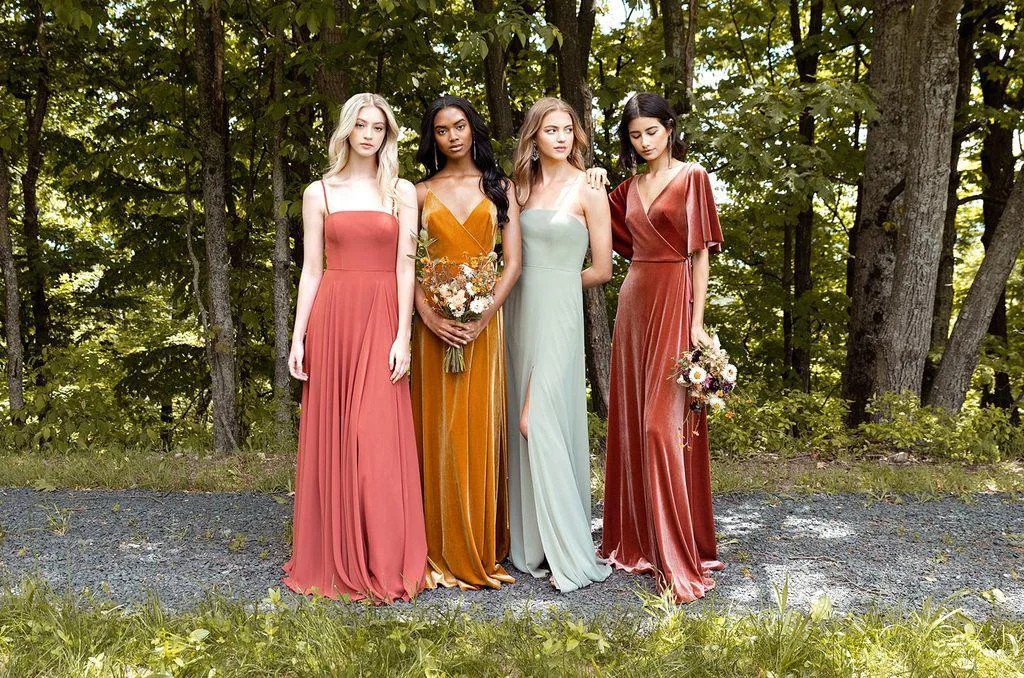

Choosing the right makeup to complement your outfit is an essential skill that transforms a good look into a cohesive, polished ensemble. While fashion and beauty are both forms of personal expression, the interplay between them dictates the overall harmony of your appearance. When your makeup palette works in tandem with the tones of your dress, it creates a balanced visual narrative that draws attention to your features rather than distracting from them. Mastering this coordination is not about following rigid, outdated rules but rather understanding the principles of color theory, balance, and intentionality.
Understanding the Basics of Color Harmony
Before applying any product, it is helpful to understand how colors interact. Color theory serves as the foundation for makeup artistry. You have three primary approaches when selecting your makeup shades: monochromatic, complementary, and neutral.
A monochromatic look involves using shades that belong to the same color family as your dress. For example, if you are wearing a soft pink dress, you might opt for rosy-toned blush and a berry-tinted lip. This creates a soft, feminine, and cohesive aesthetic.
A complementary approach involves using colors that sit opposite your dress on the color wheel. This creates a striking, high-contrast look. If your dress is a deep green, shades of purple or plum on the eyes can make your gaze pop. However, this requires a balanced hand to ensure the makeup does not overwhelm the attire.
Neutral makeup is the universal fallback that works with any color. By focusing on your natural skin undertones and enhancing your features with browns, beiges, and soft taupes, you allow the dress to remain the undisputed star of the show. This is the safest and often the most elegant choice for bold, vibrant, or highly patterned dresses.
Matching Makeup to Specific Dress Tones
Different colors evoke different emotions and require specific makeup adjustments to ensure the final look feels intentional.
Red Dresses
Red is a power color. Because it naturally draws the eye, you must decide whether to lean into the drama or balance it out. A classic red lip that matches the undertone of your dress—blue-reds for cool-toned dresses, orange-reds for warm-toned ones—is a timeless, sophisticated choice. If you opt for a bold lip, keep your eye makeup neutral with soft gold or champagne tones. If you prefer to focus on the eyes, a crisp black winged liner paired with a nude or sheer gloss provides a chic, modern balance.
Blue Dresses
Blue is versatile, ranging from deep navy to bright turquoise. For deep blues, warm metallic shades like copper or gold provide a stunning contrast that adds warmth to the skin. If you are wearing a light, icy blue, think about soft pinks or cool-toned mauves to keep the look light and airy. Avoid heavy, muddy browns with bright blue, as they can make the overall appearance look cluttered.
Black Dresses
A black dress is the ultimate blank canvas. It allows for the most creativity. You can pair a little black dress with a dramatic smoky eye for a night out or a bright, bold lip for a chic daytime event. Because black absorbs light, it can sometimes make the skin look paler, so ensure you have a healthy dose of blush and perhaps a touch of bronzer to keep your complexion glowing and vibrant.
White and Cream Dresses
White and cream require a gentle touch to avoid looking washed out. Avoid overly harsh or dark makeup, which can create too much contrast. Instead, lean into a fresh, dewy, or radiant makeup look. Soft peach or coral blushes, glowing highlighters, and subtle rose-gold eyeshadows complement the purity of white dresses perfectly.
Green and Earth Tone Dresses
Green dresses are beautiful but can be tricky if you do not coordinate the undertones correctly. For olive or dark green dresses, metallic gold and warm bronze tones are exceptional. They emphasize the richness of the fabric. Avoid bright pinks, which can clash with green. Instead, opt for nude or brown-toned lipsticks to maintain the natural, grounded feel of the ensemble.
Balancing Intensity and Texture
Beyond color, the intensity of your makeup should reflect the formality and the style of the dress. A heavily beaded evening gown calls for a more polished, structured makeup look with defined brows and perhaps a classic lash. A light, flowy summer dress, on the other hand, benefits from a “no-makeup” makeup look, focusing on hydrated skin, tinted lip balm, and a touch of mascara.
Texture is also a subtle but powerful tool. If your dress has a matte fabric, like heavy crepe or cotton, you can play with matte eyeshadows and lipsticks for a clean look. If your dress features sequins, silk, or satin, adding a bit of shimmer to your makeup—through highlighters or metallic pigments—creates a harmonious sheen that ties the outfit together beautifully.
Considering Your Undertone
No matter the color of your dress, your natural skin undertone must always dictate the base of your makeup. You generally fall into one of three categories: cool, warm, or neutral.
-
Cool Undertones: If your skin has hints of blue or pink, look for makeup with cool bases, such as berry, mauve, or blue-based reds.
-
Warm Undertones: If your skin has golden or yellow hints, gravitate toward orange-reds, peaches, copper, and warm brown shades.
-
Neutral Undertones: You have the benefit of being able to pull off both, but you often look best in shades that mimic your natural coloring.
If you wear a dress color that clashes with your skin’s undertone, the right makeup can help bridge the gap. For example, if you love a color that is not traditionally flattering on your complexion, you can pull the shade further away from your face by using a scarf, or you can balance it by using a lipstick that perfectly complements your natural skin tone.
The Importance of Lighting
One factor often overlooked is the environment where you will be wearing your outfit. Natural daylight is unforgiving and often requires a lighter hand, especially with blush and contour. Indoor evening lighting, particularly in restaurants or at events, is dimmer and warmer, which often “eats” your makeup. In these environments, you can afford to be a bit more generous with your definition and color payoff. Always try to check your makeup in a mirror under lighting that approximates where you will be spending your time to ensure your color choices remain balanced and intentional.
Final Touches for Cohesion
The final step in coordinating your makeup and dress is confidence. Regardless of the colors chosen, how you wear your look matters. If you feel comfortable in a bold lip, you will carry your outfit with more grace. If you prefer a subtle look, that confidence will show through. Remember that makeup is meant to enhance your natural beauty. Use your dress color as a guide to harmonize your look, but never feel pressured to adhere to strict mandates that make you feel like you are masking your personality.
FAQ
Can I wear a bold lip and a bold eye at the same time if my dress is neutral?
Yes, but do so with caution. If your dress is truly neutral—like black, white, or navy—a bold eye and a bold lip can work for high-fashion events, but usually, it is better to pick one feature to emphasize to keep your look refined rather than chaotic.
Should my eyeshadow match my dress exactly?
Usually, no. An exact color match can look dated or overwhelming. It is better to use the dress color as a subtle accent, perhaps in the eyeliner or as a soft wash of color, rather than covering the entire eyelid in the exact shade of your garment.
What if I am wearing a multi-colored or patterned dress?
Pick one color from the pattern—usually one of the less dominant or background colors—and use that to guide your makeup choices. This creates a subtle link to the outfit without making your face look like a continuation of the print.
Does nail polish need to match my dress?
Not necessarily, but it is an extension of your overall palette. If you are wearing a dress in a cool tone, sticking to cool-toned or neutral nail polishes creates a more cohesive appearance, but you can also use your nails to add an interesting pop of contrast if your makeup is kept simple.
Is it possible to wear too much highlighter with a shiny or sequined dress?
Yes. If your dress is already reflecting a lot of light, overdoing the highlighter can make you look oily rather than glowing. Focus on a natural, healthy sheen on the skin and keep the high-impact glitter and shimmer confined to your eyelids or lips.
How do I adjust my makeup for outdoor events in the summer?
Outdoor events require makeup that can withstand heat and humidity. Focus on long-wear, waterproof products, and prioritize a matte or satin finish over dewy textures, which can move and smear in the heat, regardless of how well the color coordinates with your dress.
Does my jewelry selection affect the makeup and dress color coordination?
Absolutely. If you are wearing gold jewelry, it will naturally complement warm-toned makeup and earthy dress colors. If you prefer silver, it will look better with cool-toned makeup and dresses in shades of blue, grey, or jewel tones. Try to keep your metals consistent for a truly polished look.