
The allure of the past has always held a firm grip on the fashion world. From the structured silhouettes of the 1950s to the bold, psychedelic patterns of the 1970s, vintage clothing serves as a treasure trove of inspiration. Recently, the comeback of vintage has moved beyond mere nostalgia. It has become a sophisticated way to express individuality, embrace sustainability, and curate a wardrobe that stands out in an age of mass-produced, trend-driven fashion. Styling a retro dress in a modern context is an art form that balances historical integrity with current sensibilities.
Why Vintage Continues to Captivate
Vintage clothing offers a level of craftsmanship that is rarely seen in modern high-street retail. In decades past, garments were designed to be durable, often featuring high-quality fabrics, intricate needlework, and hidden details like reinforced seams or hand-stitched linings. When you wear a vintage dress, you are wearing a piece of history. The textures, the weights of the fabrics, and the specific cuts of the eras provide a unique aesthetic that simply cannot be replicated by contemporary machines. Beyond the quality, there is the undeniable appeal of exclusivity. Wearing a vintage piece significantly lowers the chances of walking into a room and finding someone else wearing the exact same outfit.
Identifying Your Retro Era
Before you can style a retro dress effectively, you must understand the silhouettes that define different decades. Each era carries a specific energy that dictates how it fits into a modern life.
-
The 1940s: Think of tailored shoulders, modest necklines, and A-line skirts that hit just below the knee. These dresses are professional, elegant, and versatile enough for modern office wear.
-
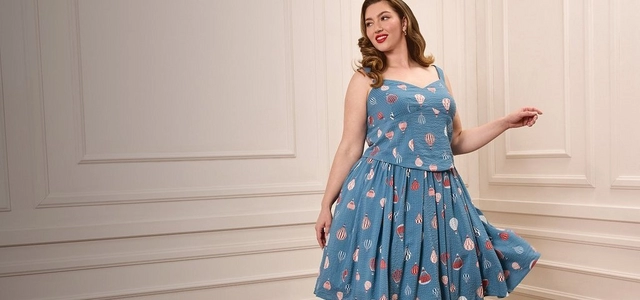
The 1950s: This decade is synonymous with the hourglass figure. Think full skirts, cinched waists, and structured bodices. These dresses are feminine and dramatic, perfect for formal events or garden parties.
-
The 1960s: The shift is away from structure toward the shift dress, mini skirts, and geometric prints. These pieces are playful and work exceptionally well for casual weekend outings.
-
The 1970s: This era is all about flow and bohemian charm. Maxi dresses, wrap dresses, and earthy color palettes define this period. These pieces are comfortable and effortless, ideal for daily wear.
The Philosophy of Modern Styling
The secret to pulling off vintage without looking like you are wearing a costume is the principle of juxtaposition. The goal is to bridge the gap between the past and the present. You want the dress to feel like a natural part of your current wardrobe rather than a relic from a museum.
One of the most effective ways to modernize a retro dress is to introduce contemporary accessories. Pairing a structured 1950s swing dress with sleek, minimalist block heels or modern combat boots immediately grounds the silhouette in the present day. When you mix eras, you create a look that feels curated rather than forced.
Layering Techniques for Versatility
Layering is an essential tool in the vintage enthusiast’s kit. It allows you to transition pieces through different seasons and creates new dimensions for older garments.
A delicate 1940s tea dress can be completely transformed by wearing a crisp, oversized blazer over the shoulders. This adds a sharp, masculine edge that balances the inherent femininity of the dress. Similarly, for colder months, wearing a fitted turtleneck or a thin long-sleeved shirt underneath a sleeveless vintage shift dress adds a layer of texture while making the piece appropriate for winter weather. Do not be afraid to experiment with different weights and textures. A leather jacket over a flowing 1970s floral maxi dress creates a classic rock-and-roll contrast that never goes out of style.
The Role of Footwear in Retro Fashion
Your choice of shoes will determine the overall vibe of your vintage look. If your dress is very loud or highly detailed, keep the footwear simple. A pair of white leather sneakers can make a formal 1950s dress feel fresh and approachable for a casual brunch. Conversely, if you are wearing a simple 1960s mini dress, you can afford to have fun with your shoes. High-knee boots, whether they are patent leather or soft suede, are a fantastic way to lean into the retro aesthetic while maintaining a modern silhouette. Always consider the proportions. If your dress has a voluminous skirt, opt for a shoe with a bit of height to balance your frame and prevent the look from becoming heavy.
Balancing Prints and Solids
One of the challenges of vintage fashion is that retro prints can often feel overwhelming. If you are new to wearing vintage, start by focusing on the cut and silhouette rather than the pattern. A solid-colored retro dress is much easier to style because it acts as a blank canvas. You can accessorize with a modern belt to define your waist or use a colorful silk scarf to add a pop of contemporary interest.
If you choose a bold, printed dress, allow the print to take center stage. Minimize your other accessories and focus on clean lines for your bag and jewelry. A gold or silver geometric necklace or a set of minimalist hoop earrings can modernize a busy floral pattern instantly. The key is to avoid matching your accessories to the era of the dress. Instead, look for items that feel current and polished.
Mixing Vintage with Modern Wardrobe Staples
You do not need to wear head-to-toe vintage to honor the style. In fact, some of the most stylish outfits involve a single vintage statement piece paired with modern basics. Wear your favorite vintage wrap dress with a modern denim jacket and your go-to leather loafers. This creates a balanced look where the vintage item stands out as the focal point, while the modern pieces keep you comfortable and grounded in the present. This approach also makes vintage fashion more accessible for those who are worried about looking outdated. It is about integrating the past into your life, not being consumed by it.
Maintaining Your Vintage Treasures
To keep your retro dresses looking modern and vibrant, you must handle them with care. Vintage fabrics, especially those from before the 1960s, may not react well to modern high-heat wash cycles. Whenever possible, hand wash your pieces or take them to a professional dry cleaner who specializes in vintage textiles. Proper storage is also crucial. Use padded hangers to maintain the shape of the shoulders and avoid hanging heavy dresses for too long, as this can stretch the fabric over time. By taking care of these pieces, you ensure that they remain wearable and fashionable for years to come, further contributing to a sustainable and slow-fashion lifestyle.
Building Your Unique Aesthetic
Ultimately, styling retro dresses is about confidence. When you wear a piece that has survived decades, there is a certain weight and history to it that adds depth to your personal style. Use the tips provided as a foundation, but do not be afraid to break the rules. Fashion is meant to be an exploration. Whether you are mixing a Victorian-inspired lace collar with a 1990s slip dress or finding new ways to wear a classic 1950s cocktail gown, the most important aspect is that you feel comfortable and true to yourself. The comeback of vintage is a reminder that style is circular, and the best way to move forward is often by looking back at what worked best in the past.
FAQ
How can I tell if a vintage dress is worth buying or if it is just old and worn out?
Check the seams to ensure they are secure and not fraying. Look for signs of damage like moth holes, underarm stains, or dry rot in the fabric. If the fabric feels brittle or has a strange odor that does not dissipate with cleaning, it is likely best to avoid it.
What is the easiest way to start incorporating vintage into my daily wardrobe?
Start with accessories or simple day dresses. A 1970s-style patterned scarf or a simple 1960s shift dress is a low-pressure entry point that pairs easily with modern jeans, jackets, or basic shoes you likely already own.
Are there specific eras that are generally more flattering for modern body types?
The 1940s and 1950s silhouettes are often considered universally flattering because they focus on defining the waist and balancing the shoulders. However, every era has pieces that can be tailored to fit your specific frame, so focus on the cut rather than the era.
How do I handle the sizing differences between vintage and modern clothes?
Vintage sizing is significantly smaller than contemporary sizing. Ignore the tag size entirely and focus on the actual measurements of the garment, such as the bust, waist, and hip width. Always compare these numbers to a piece of clothing you already own that fits you perfectly.
Is it acceptable to alter a vintage dress to fit my modern style?
Yes, tailoring is encouraged. If you find a dress with an incredible print but a dated sleeve length or hemline, a professional tailor can modernize the silhouette while preserving the integrity of the original fabric and quality.
Where should I look for authentic vintage dresses?
Estate sales and local thrift shops are excellent for finding unique items at lower prices. Online marketplaces that specialize in curated vintage are also great for finding specific eras or designer pieces if you are willing to invest a little more for a high-quality, pre-screened item.