
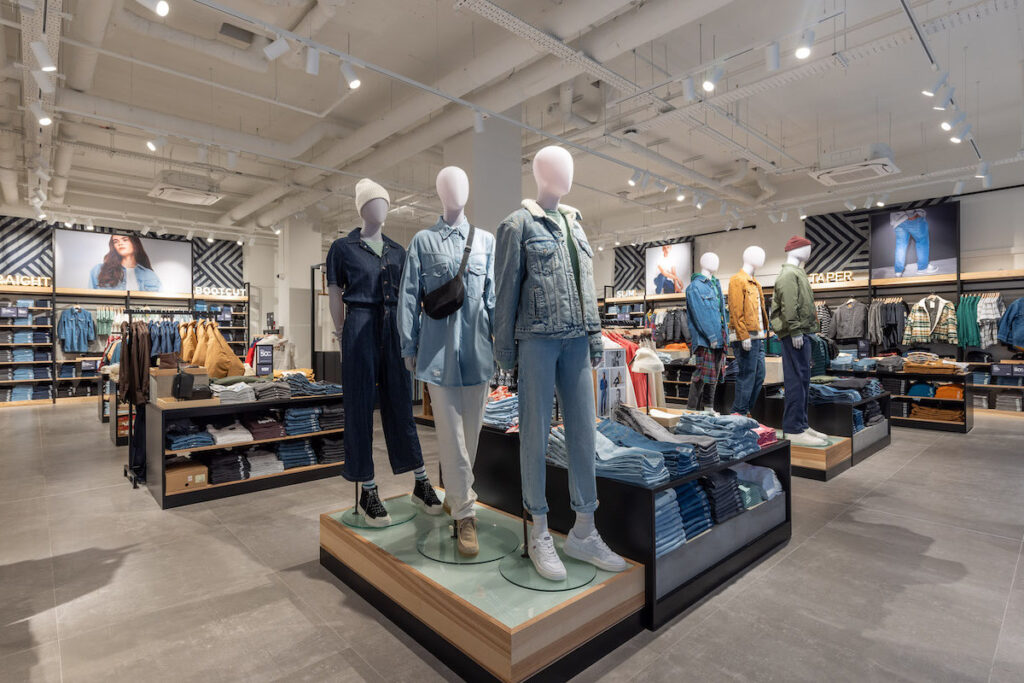

The fashion industry is currently navigating a significant turning point. For years, the fast fashion business model has been defined by extreme speed, low costs, and high volume, often at the expense of environmental stability and ethical standards. However, as consumer awareness regarding the climate crisis grows, shoppers are increasingly demanding accountability. This pressure has forced even the largest fast fashion retailers to begin integrating sustainable materials into their massive supply chains. While the movement toward eco-friendly fabrics in high-street outlets is complex and often scrutinized, it represents a notable shift in how the industry views resource management and environmental responsibility.
Understanding the Shift in Retail Strategy
The traditional fast fashion cycle relies on synthetic fibers like virgin polyester, which are derived from petroleum. These materials are cheap to produce and remarkably durable, but their environmental footprint is heavy. The production of polyester consumes significant energy and contributes to the microplastic crisis as these garments degrade. In contrast, the integration of eco-friendly fabrics—such as organic cotton, recycled polyester, and innovative plant-based fibers—marks a strategic pivot for retailers looking to maintain market relevance in an era of conscious consumption.
This transition is not purely altruistic. It is a calculated response to shifting market trends. Brands that fail to address the environmental impact of their production risk alienating younger demographics who prioritize corporate social responsibility. By incorporating sustainable textiles, these retailers aim to modernize their image, mitigate risks related to future supply chain regulations, and capture the growing segment of the market that is willing to pay a premium for perceived sustainability.
Key Sustainable Materials Gaining Traction
Fast fashion outlets are moving beyond standard cotton to experiment with a variety of more sustainable alternatives. Each material offers a unique set of benefits and challenges in the manufacturing process.
-
Recycled Polyester: This is perhaps the most common sustainable material found in large-scale retail today. By reclaiming post-consumer plastic bottles and converting them into high-quality yarn, brands can significantly reduce their reliance on virgin petroleum.
-
Organic Cotton: Unlike conventional cotton, which is treated with vast amounts of synthetic fertilizers and pesticides, organic cotton is grown using methods that minimize impact on soil health and local water sources. It remains a staple for brands looking to offer a more natural, breathable option to their customers.
-
Tencel and Lyocell: These semi-synthetic fibers are produced from wood pulp, primarily sourced from eucalyptus or beech trees. The manufacturing process is highly efficient, utilizing a closed-loop system that captures and reuses solvents, resulting in minimal waste compared to traditional fiber production.
-
Hemp: Often described as a miracle crop, hemp requires minimal water and zero pesticides to grow. It is incredibly durable and fully biodegradable, making it an ideal candidate for retailers aiming to create long-lasting garments.
The Challenges of Scaling Sustainability
While the inclusion of these fabrics is a step in the right direction, integrating them into a fast fashion business model is fraught with technical and logistical difficulties. Scaling sustainable production to meet the demands of global outlets requires massive infrastructure changes.
The primary obstacle is supply. Organic cotton and high-quality recycled fibers are more expensive and harder to source in the quantities required by companies that produce millions of garments every month. Furthermore, the supply chain for these materials must be strictly monitored to prevent greenwashing. A garment labeled as sustainable is only truly responsible if every stage of its production—from the harvesting of the fiber to the dyeing and sewing—meets rigorous environmental standards.
Additionally, fast fashion companies often utilize complex blends of materials to achieve specific textures or stretch. These mixed-fiber garments are notoriously difficult to recycle. Even if a shirt is made from a percentage of recycled materials, if it is blended with elastane or other synthetics, it becomes nearly impossible to process at the end of its life, effectively ending up in a landfill despite its initial sustainable classification.
Redefining Transparency and Consumer Trust
The rise of sustainable fabrics in mainstream retail has brought the issue of transparency to the forefront. Consumers are no longer satisfied with vague claims of being green. They want data. This has prompted brands to invest in traceability technology, such as blockchain, to track the journey of a garment from the field to the rack.
When brands openly share information about their factories, their energy usage, and the source of their raw materials, they build trust. However, the industry remains wary of the phenomenon of greenwashing, where brands use marketing to exaggerate the sustainability of their products while ignoring deeper systemic issues in their business models. Authentic change requires that these retailers not only swap out fabrics but also address overproduction, which remains the fundamental driver of waste in the sector.
The Role of Technological Innovation
Innovation is the engine driving this change. Scientists and fashion entrepreneurs are collaborating to create new materials that are both scalable and truly regenerative. Lab-grown leather, mycelium-based alternatives, and bio-engineered fabrics are transitioning from laboratory experiments to potential commercial products.
These advancements are crucial for fast fashion outlets. As the technology matures, the cost of these innovative materials is expected to drop, making them more viable for mass-market production. If retailers can successfully transition to these bio-based materials, they could theoretically decouple their business growth from the exploitation of finite natural resources, creating a truly circular fashion economy.
The Future of the High-Street Wardrobe
The movement toward sustainable fabrics in fast fashion is not a passing trend. It is a fundamental shift that is reshaping the global textile industry. While there is still a significant distance to cover before these brands can be considered truly sustainable, the progress made in the last five years is undeniable.
For the consumer, the rise of these fabrics offers an opportunity to make more informed choices without necessarily abandoning the convenience of high-street shopping. However, it also places the burden of responsibility on the buyer to demand better. When consumers choose garments made from organic or recycled materials, they are signaling their support for these practices, which encourages further investment in sustainable infrastructure. The goal is to move toward a future where “fashionable” and “responsible” are synonymous, and where the clothes we wear do not come at the cost of our planet’s future.
FAQ
Does the use of recycled polyester actually reduce the impact of clothing on the ocean?
While recycled polyester keeps plastic out of landfills, it does not stop the shedding of microplastics during the laundry process. The primary benefit is the reduction in virgin plastic production, but consumers should still use specialized laundry bags to catch fibers during washes.
How can a customer verify that a garment is actually made from sustainable materials?
Look for official, third-party certifications on the clothing label. Organizations like the Global Organic Textile Standard or the Recycled Claim Standard provide independent verification that a product meets specific environmental and social criteria.
Why are sustainable fabrics sometimes more expensive in fast fashion stores?
The supply chains for sustainable fibers are currently less mature and more fragmented than those for synthetic alternatives. The higher cost reflects the complexity of sourcing high-quality organic or recycled raw materials and the investment in more ethical manufacturing processes.
Are all plant-based fabrics automatically better for the environment?
Not necessarily. For example, some bamboo fabrics require heavy chemical processing to be turned into soft textiles. The sustainability of a material depends on how it is grown, how it is processed, and the chemicals used in its manufacturing.
What is the difference between circular fashion and just using eco-friendly fabrics?
Using sustainable fabrics is one component of circular fashion. Circularity refers to a system where garments are designed to be reused, repaired, and recycled, ensuring that the materials stay in use for as long as possible instead of becoming waste.
Is it possible for a fast fashion company to be fully sustainable while maintaining their current production volume?
Many experts argue that the high-volume model of fast fashion is fundamentally at odds with sustainability. Even when using better materials, the sheer speed of production and the volume of output create environmental pressure that cannot be fully mitigated by fabric choice alone.
How should I dispose of my eco-friendly clothing when I am finished with it?
If the garment is made from a single fiber type, it may be easier to recycle. However, many items are blends. It is best to look for textile recycling initiatives offered by brands or local clothing donation centers that have specialized partners for turning worn-out fabric into industrial insulation or stuffing.