
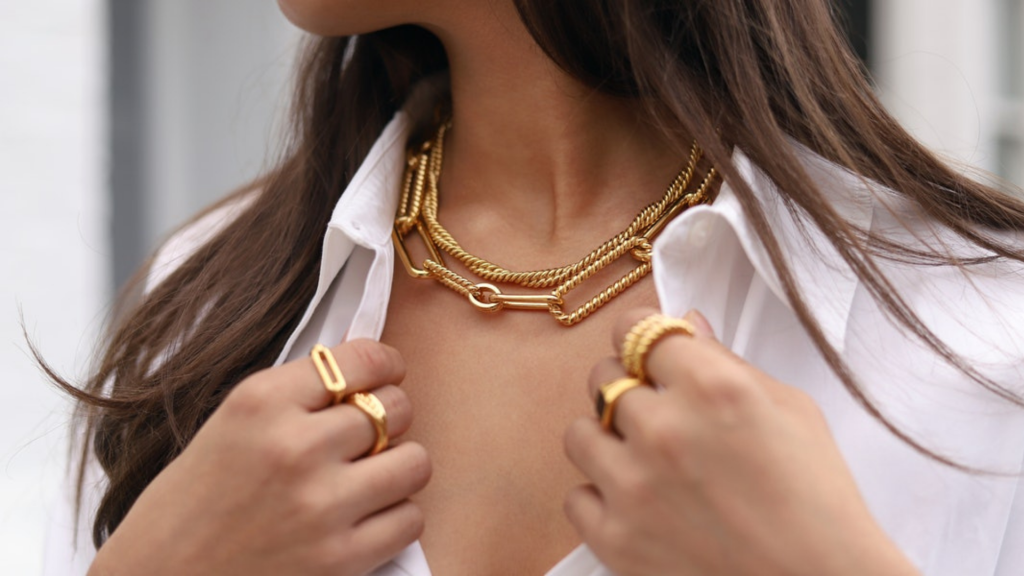

The jewelry industry has long been shrouded in mystery regarding its supply chains. For decades, the glamour of gold and the brilliance of diamonds have obscured a reality defined by environmental degradation, human rights concerns, and destructive mining practices. As consumers become increasingly aware of the ethical cost of their adornments, a movement toward sustainable jewelry has emerged. This shift is not merely about choosing a different brand; it is about fundamentally changing how we value the materials that define our most cherished possessions. Understanding the landscape of sustainable jewelry brands allows you to make purchases that honor your style and your values simultaneously.
The Pillars of Sustainable Jewelry
Sustainability in the world of jewelry is a multi-faceted concept. It is not enough for a brand to simply claim it is eco-friendly; a truly sustainable jeweler evaluates every stage of the production lifecycle. To identify brands that are making a genuine impact, one must look for several key pillars.
The first pillar is the source of materials. Conventional gold mining is one of the most polluting industries on the planet, often involving the use of toxic chemicals like mercury and cyanide to extract gold from rock. Sustainable brands instead prioritize recycled gold and silver. By repurposing precious metals that are already in circulation, these companies eliminate the need for new, destructive mining operations.
The second pillar is ethical sourcing. This applies not just to gold, but to gemstones as well. The diamond industry has historically been associated with conflict and labor exploitation. Sustainable brands ensure that their stones are ethically sourced, often favoring lab-grown diamonds or recycled vintage stones. Lab-grown diamonds, in particular, are chemically and physically identical to mined diamonds but are created in controlled environments, which removes the ethical concerns related to mining and displacement.
Why Materials Matter
The environmental impact of jewelry is largely determined by the provenance of its components. When shopping for sustainable jewelry, understanding the difference between various types of sourcing is crucial.
-
Recycled Precious Metals: These are metals reclaimed from existing jewelry, electronics, or industrial scraps. They are refined back to their pure state and used to create new pieces, offering the same beauty and durability as newly mined metals without the ecological footprint.
-
Lab-Grown Diamonds and Gemstones: These stones are produced in highly advanced laboratories that replicate the conditions under which natural diamonds form. They represent a significant advancement in sustainability because they consume less energy than mining and ensure a conflict-free guarantee.
-
Vintage and Antique Pieces: Perhaps the most sustainable jewelry is that which already exists. Buying vintage or antique jewelry keeps existing items in use, preventing the need for new extraction, and offers a unique aesthetic that mass-produced pieces cannot replicate.
-
Fairmined Gold: When recycled gold is not an option, some brands look for Fairmined certification. This ensures that the gold was mined by small-scale operations that adhere to strict social and environmental standards, providing fair wages and safe working conditions for the miners.
Identifying Authentic Sustainable Brands
In a market where terms like eco-conscious or ethical are used freely, it can be difficult to distinguish between brands that are genuinely sustainable and those that are engaging in greenwashing. Authentic sustainable brands are generally characterized by transparency. They provide detailed information about where their materials come from and who makes their jewelry.
If a brand is vague about its sourcing or refuses to provide information about its manufacturing partners, it should be treated with skepticism. Leading sustainable brands often carry third-party certifications, which provide an objective measure of their practices. Organizations like the Responsible Jewellery Council or the SCS Global Services certification for sustainable diamonds offer frameworks that help consumers identify companies committed to high standards.
The Design Philosophy of Sustainable Jewelry
Sustainability is not just about ethics; it is also about longevity. A core tenet of the sustainable jewelry movement is the move away from the throwaway culture of fashion jewelry. These brands focus on timeless designs that are meant to last a lifetime, or even several lifetimes.
When you invest in a piece from a sustainable brand, you are often buying into a slower, more intentional process. Designers take the time to create durable, high-quality settings that can withstand daily wear. Furthermore, many sustainable brands offer repair services or programs to repurpose older pieces, reinforcing the idea that jewelry should be a permanent part of your collection rather than a disposable trend. This commitment to quality is what ultimately differentiates sustainable jewelry from the mass-produced items found in conventional high-street stores.
The Importance of Ethical Labor
Sustainability is as much about people as it is about the planet. The jewelry industry has a long history of poor labor practices, particularly in developing nations. Ethical jewelry brands prioritize the human element of production by ensuring that their artisans receive fair wages, work in safe conditions, and are treated with respect.
Many sustainable brands choose to produce their pieces locally, allowing for tighter quality control and stronger oversight of labor practices. By keeping production close to home, these companies reduce their carbon footprint associated with shipping and ensure that they are supporting local communities. When you support these brands, you are directly contributing to an industry culture that values the livelihood of the skilled craftspeople who bring these designs to life.
Making the Transition to Conscious Consumption
Shifting toward sustainable jewelry does not have to happen overnight. It starts with a change in perspective. Instead of viewing jewelry as a casual purchase, treat it as an investment. Ask yourself about the origin of the materials and the ethics of the brand before making a commitment.
Consider starting with a few high-quality, versatile pieces made from recycled metals. These items can serve as the foundation of your jewelry collection and will likely last for decades. When you are ready for a gemstone, explore the options for lab-grown stones or vintage settings. By making deliberate, informed choices, you slowly build a collection that reflects your commitment to a more ethical world. Every purchase is an opportunity to support the brands that are driving the industry toward a better future.
FAQ
Are lab-grown diamonds cheaper than mined diamonds?
Generally, yes. Because lab-grown diamonds do not involve the massive overhead costs of mining, extraction, and logistics, they are typically more affordable than mined diamonds of the same quality, which allows you to get a larger or higher-quality stone for your budget.
Can I recycle my own old gold jewelry?
Absolutely. Many jewelers offer services where they can melt down your old, unused gold jewelry and rework the material into a new design. This is a fantastic way to give a second life to pieces you no longer wear while keeping precious metals out of landfills.
What is the difference between conflict-free and sustainable jewelry?
Conflict-free jewelry specifically refers to stones that were not used to finance war or rebellion, but it does not necessarily guarantee environmentally friendly mining practices or fair labor conditions. Sustainable jewelry is a broader term that encompasses the entire lifecycle, including environmental impact and human rights.
Do sustainable brands offer fine jewelry for all occasions?
Yes. You can find everything from simple, everyday rings and necklaces to elaborate, high-end bridal sets from sustainable brands. The range of designs has expanded rapidly, and sustainable jewelers are now capable of creating any aesthetic, from minimalist to ornate.
How can I tell if a piece of vintage jewelry is ethically sourced?
Vintage jewelry is considered inherently ethical because it does not require new mining. When shopping for vintage, the main concern is the age and authenticity of the piece. You are participating in a circular economy, which is the gold standard of sustainability.
Is it possible for gold to be 100 percent recycled?
Most jewelry marketed as recycled gold is made from a high percentage of reclaimed materials. Pure 24-karat gold is rarely used for jewelry because it is too soft, so it must be alloyed with other metals. Even with these alloys, reputable brands prioritize recycled sources for all materials involved in the process.
Why does packaging matter for sustainable jewelry brands?
Sustainable jewelry is a holistic commitment. Many brands now use recycled, plastic-free, or biodegradable packaging to ensure that the entire consumer experience is as low-impact as possible, reflecting the values of the brand throughout the process from manufacturing to delivery.